Worker Verification: Why It Matters in South Africa
In an era where "CV padding" is on the rise and labor inspections are tightening, worker verification has become the cornerstone of responsible hiring in South Africa. For businesses hiring general workers, the risks of skipping this step range from simple project delays to massive fines under the Immigration Act or POPIA.
Verification isn't about lack of trust; it's about due diligence and protecting your existing team and assets.
1. Preventing Qualification and Identity Fraud
South Africa has seen a significant increase in fraudulent qualifications. In fact, the National Qualifications Framework (NQF) Amendment Act has made it a criminal offense to claim qualifications you don't possess.
- The Risk: Hiring a "skilled" general worker (e.g., a coded welder or forklift driver) who lacks the actual certification puts your site safety at risk.
- The Protection: Verifying certificates through SAQA (South African Qualifications Authority) or specialized platforms ensures that your "qualified" staff are exactly who they say they are.
2. The "Right to Work" & Immigration Compliance
One of the costliest mistakes a South African employer can make in 2026 is hiring a foreign national without a valid work permit.
Legal Alert: Under the Immigration Act, directors and business owners can be held personally liable, facing fines of up to R100,000 per undocumented worker or even imprisonment for repeat offenses.
What you must verify:
- For Locals: A valid South African ID (Green barcoded book or Smart ID card).
- For Foreign Nationals: A valid Work Visa, Asylum Seeker Permit (with work rights), or Refugee Status.
- Consistency: Ensure the name on the ID matches the name on the bank account to prevent "ghost employee" fraud.
3. Mitigating Vicarious Liability
In South African law, the principle of Vicarious Liability means that you, as the employer, can be held responsible for the wrongful acts of your employees if they occur during their work.
- Scenario: If an unverified worker with a history of theft is hired into a warehouse and steals a client’s cargo, your business may be liable for the loss because you failed to perform a reasonable Criminal Record Check.
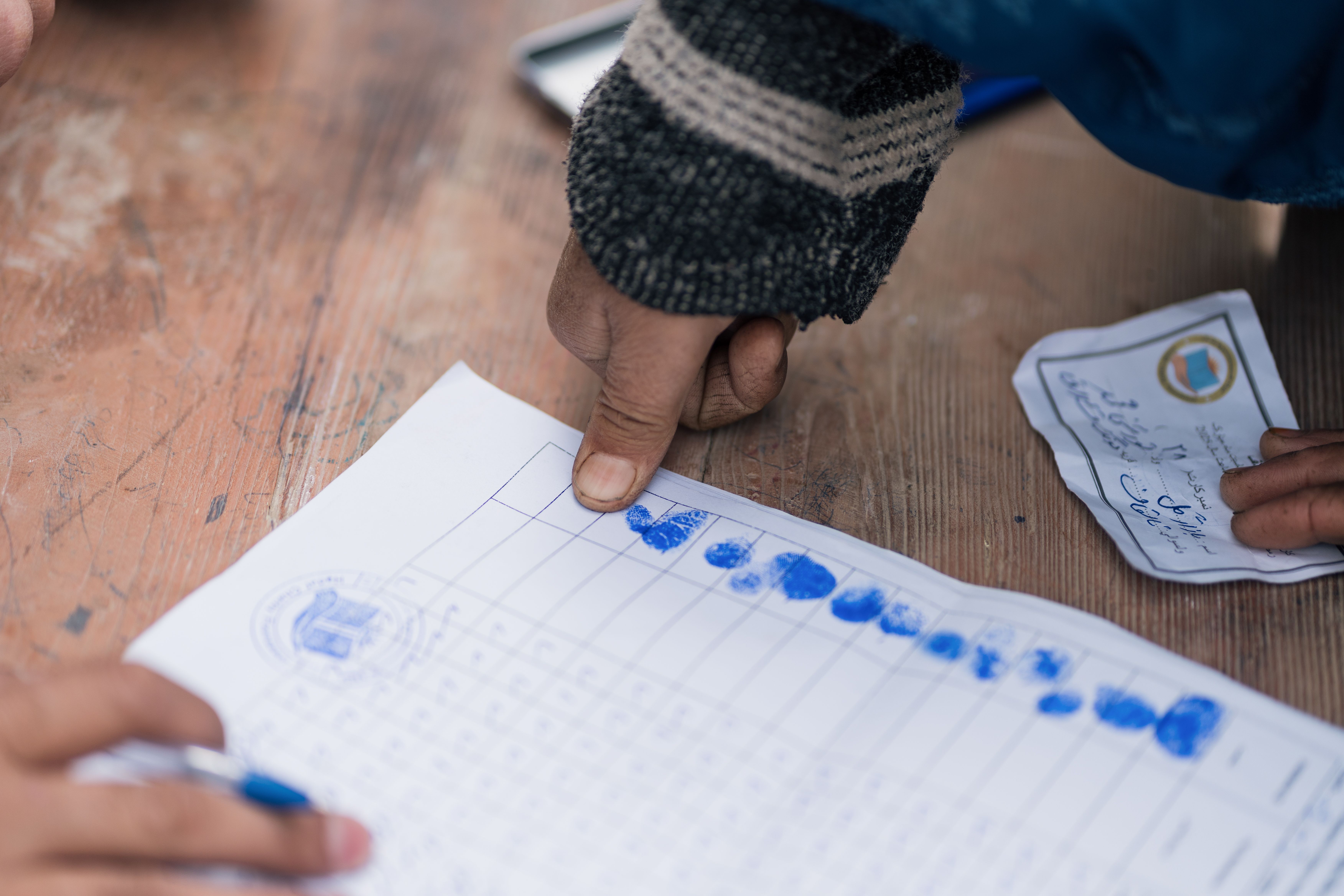
- The Solution: A SAPS-linked fingerprint check is the gold standard for roles involving high-value goods or access to private homes.
4. The 3 Pillars of Effective Verification
To stay compliant with POPIA while verifying, follow this three-step framework:
| Pillar | Method | Why it matters |
|---|---|---|
| Identity | DHA (Home Affairs) Sync | Confirms the ID is valid and not stolen. |
| History | Reference Checks | Gauges reliability, punctuality, and "soft skills." |
| Integrity | SAPS Criminal Check | Protects your business from internal fraud and theft. |
5. Building a Culture of Trust
When you verify everyone—from the site manager to the general laborer—you send a message that your workplace values integrity.
- Improved Quality of Hire: Vetted workers have lower turnover rates.
- Insurance Compliance: Many business insurance policies require proof of "due diligence" in hiring before they will pay out for internal theft or accidents.
- Safety First: Ensuring workers have valid medical clearances or heavy-machinery licenses prevents workplace injuries.
Your Verification Action Plan
- Get Consent First: Always obtain written POPIA consent before running any checks.
- Verify Before Onboarding: Don't let someone start work until their ID and right-to-work are confirmed.
- Use Digital Tools: Manual checks are slow. Use a platform that automates ID and criminal checks via a secure database.
Worker verification is an investment, not a cost. By taking 24–48 hours to verify a candidate today, you save your business from potential months of CCMA disputes, legal fees, and reputational damage tomorrow.
Ensure your next hire is 100% verified. Use our built-in verification tools to secure your workforce.